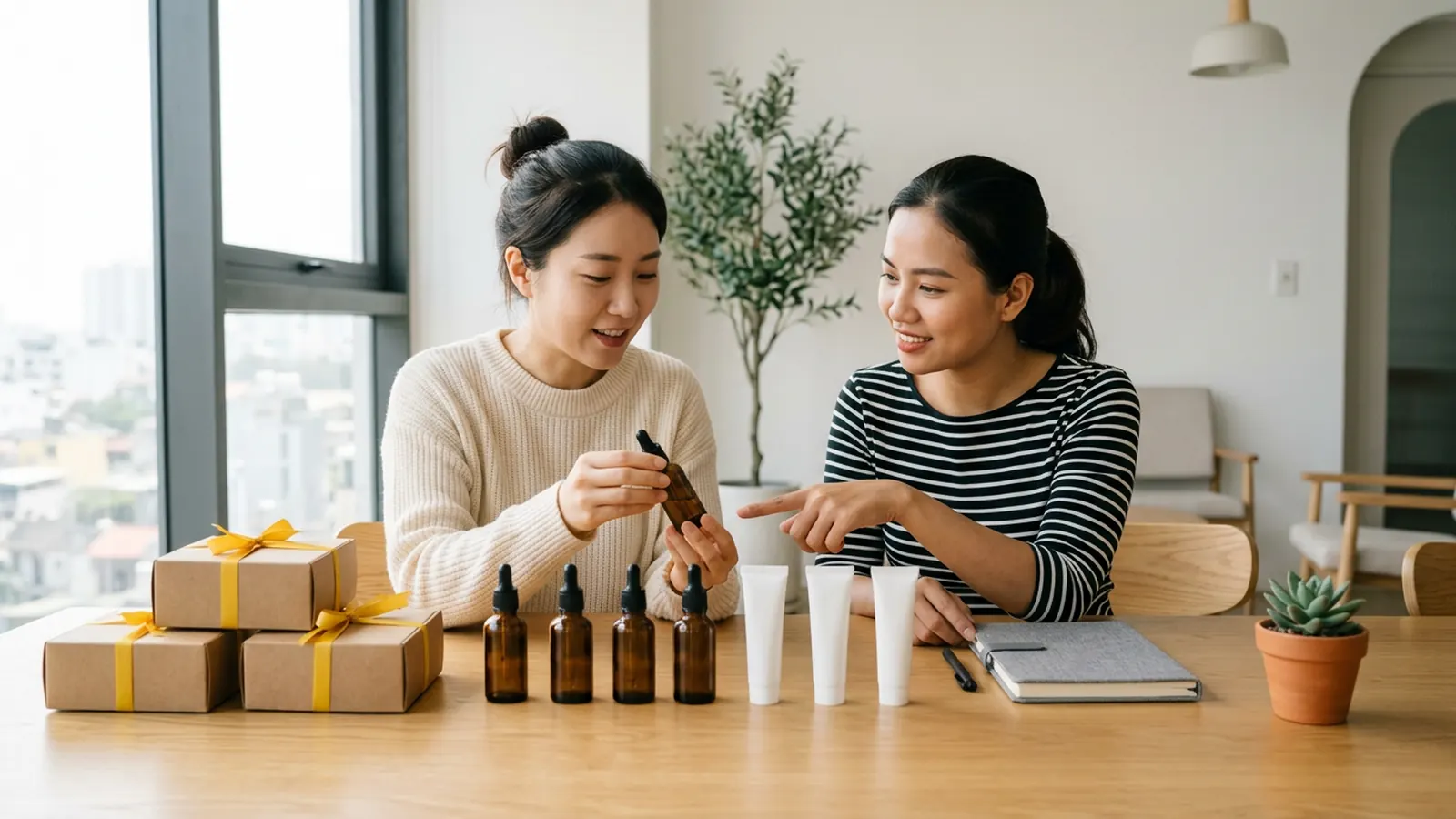
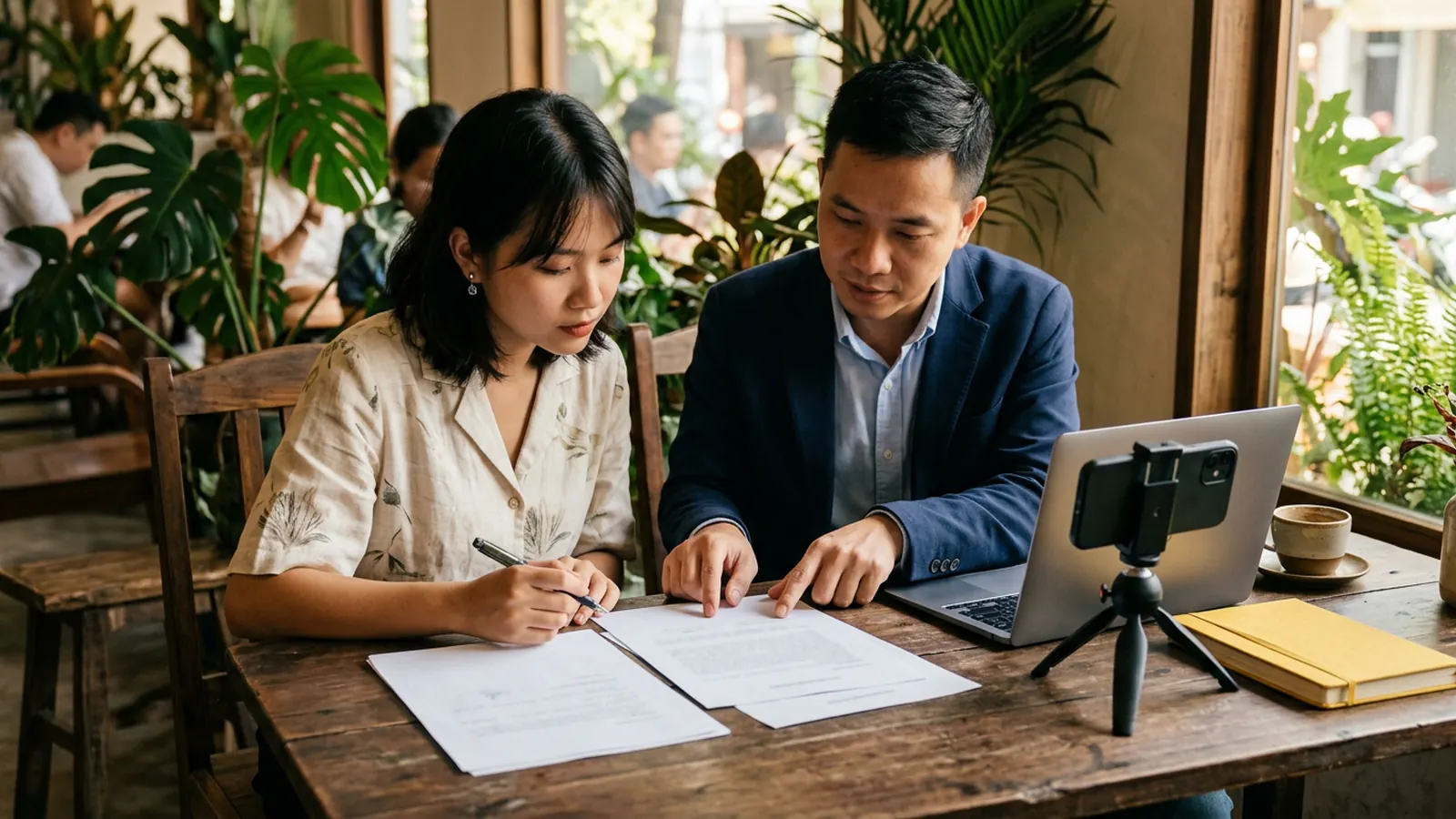
Korean Brands in Vietnam
Brand vs Distributor Marketing Responsibilities in Vietnam: Who Pays for Creators?
Korean brands entering Vietnam through a local distributor hit the same question within weeks: who actually runs and pays for creator marketing? When the answer is left vague, the distributor holds the shop and the creator list while headquarters wants brand control, and campaigns stall. This guide shows how to split roles, what to write into the agreement, and how to keep both sides informed.

Short answer
Who should run and pay for creator marketing, the brand or the distributor?
Split it by what each side controls. The distributor usually owns the shop, stock, pricing execution and local compliance, while headquarters owns brand message, assets and approval. Budget follows control: write who funds creator fees, samples and ads into the agreement, with content, data and exit terms spelled out.
- Name one owner for each task: briefing, booking, approval, payment
- State who funds creator fees, samples and paid amplification
- Define content ownership and usage rights up front
- Agree a price floor and promo rules for livestreams
- Decide who owns the creator list and performance data
- Set an approval turnaround time and an exit clause
1. Why is brand vs distributor marketing responsibilities in Vietnam such a common problem?
Because both sides have a good reason to believe the other should lead. The distributor knows the market, the marketplaces and the creators. Headquarters knows the brand and carries the risk if the message goes wrong.
Without a written split, the usual result is slow approvals, creators briefed twice with different messages, and nobody sure who pays when a campaign needs extra samples.
2. Who holds the TikTok Shop, and why does it matter?
The shop holder controls listings, prices, vouchers and affiliate commission settings, so that party effectively controls the creator offer. In the Korea-SEA cross-border solution announced by TikTok Korea on 13 November 2025, Korean businesses can open TikTok Shops in several Southeast Asian markets, Vietnam included, using a Korean business registration, passport, domestic address and virtual account, with the rollout starting 14 November 2025.
TikTok Help Center material from August 2025 also says sellers must reside in the country they choose for the shop. Rules and routes change, so confirm in Seller Center which route applies to your company before you decide who holds the shop.
- Distributor-held shop: fast local operations, less direct brand control
- Brand-held shop through a cross-border route: more control, local logistics must still be solved
- Either way, record who can change price and commission
3. Which tasks should headquarters own?
Headquarters should own what defines the brand: positioning, claims that must be said or avoided, visual assets, and final approval of hero content.
It should also own the global rules on use of ingredients, certifications and comparisons, because a local creator will not know them.
- Brand message and no-go claims
- Product facts and approved claim sheet
- Final approval of key videos
- Brand safety and crisis response
4. Which tasks should the distributor own?
The distributor should own local execution: stock, fulfilment, customer service, marketplace operations and compliance with local sales rules.
Creator logistics, such as sample shipping and order tracking, also sits naturally with the party that holds inventory in Vietnam.
- Stock, fulfilment and returns
- Marketplace and shop operations
- Local customer service
- Sample dispatch to creators
5. Who should handle creator briefing, booking and payment?
Pick one party, or one agency, to brief and book creators. Two parties briefing the same creator is the fastest way to get conflicting messages and duplicate fees.
Payment should follow the contracting party. If the distributor signs creators, the distributor pays and needs the brand approval trail. If an agency signs, define who reimburses the agency.
- One brief, one booking owner
- Contract signed by the paying party
- Payment terms stated in the creator contract
6. Who pays for KOC samples, creator fees and ads?
Decide the budget split before the first campaign, not during it. Common models are a distributor-funded base with brand co-funding for launches, or a brand-funded creator pool with the distributor funding stock and fulfilment.
Whatever you choose, write down three lines separately: creator fees, sample cost, and paid amplification such as Spark Ads or GMV Max. They behave differently and are often owned by different people.
7. Who owns the content and the usage rights?
If this is not written down, the answer is whatever the creator contract says, which may exclude paid use or limit it to a short period.
Headquarters usually wants to reuse winning videos in Korea and other markets. That requires usage terms in the creator contract that reach the brand, not only the distributor.
- Who may repost organically
- Who may run the video as an ad and for how long
- Whether HQ may use it in other markets
- What happens to rights if the distributor contract ends
8. How should you handle price floors and promo rules in livestreams?
Livestreams create price pressure because hosts and shops compete on discounts. Brands that care about price positioning need a clear floor and promo calendar in the agreement.
Decide who approves vouchers, bundles and gift-with-purchase, and how quickly. A rule that takes three days to approve will be ignored during a live session.
9. Who owns the creator list and the performance data?
Creator relationships and results data are an asset. If the distributor keeps them in private spreadsheets, headquarters loses everything at contract end.
Ask for shared reporting: creators booked, content links, orders, GMV and cost. Agree a regular review rhythm and a common format.
- Shared creator list with status
- Monthly report with spend and sales
- Access to shop analytics for HQ
10. What approval turnaround should you agree?
Set a service level, for example a fixed number of business days for brand approval, and say what happens if nobody replies. Time zones and language add delay on top.
A short claim sheet in Korean and Vietnamese lets the distributor approve routine content without escalating every video.
11. What exit terms should the agreement include?
Plan the end at the start. Cover who keeps the shop, creator contacts, content rights, unsold samples and ongoing affiliate commissions if the relationship ends.
Consider a transition period so campaigns do not stop overnight. Ask a Vietnamese lawyer to review the final text, since this article is a planning guide, not legal advice.
FAQ
Frequently asked questions
Should the distributor or the brand hold the TikTok Shop?
It depends on control and logistics. A distributor-held shop is faster locally, while a brand-held shop gives more control. TikTok announced a Korea-SEA cross-border route in November 2025, so check Seller Center for what applies to you.
Who normally pays for influencer marketing under a distributor agreement?
There is no standard. Many brands agree a split by cost type, with the distributor funding stock and local operations and the brand co-funding launches. Write it down per cost line.
Can headquarters reuse creator videos made by the distributor?
Only if the creator contract grants those rights. Ask for usage terms that cover brand reuse and paid ads before filming.
What is a brand authorization letter?
It is a document in which the brand authorizes a distributor or seller to sell its products or use its brand locally. Marketplaces may ask for it, so confirm requirements on each platform.
How do we avoid creators receiving two different briefs?
Name a single briefing owner and share one brief with approved claims. Any change goes through that owner.