Korean Brands in Vietnam
K-Fashion in Vietnam on TikTok: Using KOCs Without Burning Margin
K-fashion has a head start in Vietnam because Korean style is already familiar to young shoppers, but a familiar look does not guarantee a profitable TikTok channel. Sizing, climate, price after fees and the speed of approvals decide whether KOC content turns into margin or into returns. This guide is written for Korean apparel brands and their Vietnamese partners. It describes operating practice and avoids invented market figures.
Short answer
How should a Korean fashion brand use TikTok and KOCs in Vietnam?
Start with a small climate-appropriate assortment and a localized size chart, brief KOCs to show fit on camera, give them one approved styling direction, and decide in advance who approves content and who pays for samples. Judge results on net revenue after returns and fees, not on views.
- Localize the size chart and say it on camera before pushing hero items
- Pick pieces that suit Vietnam's heat and humidity for the first assortment
- Brief KOCs on fit, fabric and styling, not on idol imitation
- Fix approval owners and turnaround between HQ and the distributor
- Price samples, KOC fees and platform fees into unit margin first
- Disclose paid or gifted content in every post
1. Why does K-fashion on TikTok in Vietnam need its own plan?
K-fashion on TikTok in Vietnam needs its own plan because the brand image travels well but the product details do not. Body proportions, weather, price expectations and the way people style outfits all differ from Korea, and each difference shows up as a return or a weak video.
Treat Korean origin as a door opener, not as the whole pitch. The viewer still asks the same questions about any fashion item: will it fit me, will it be comfortable in this heat, and is it worth the price.
2. How should you localize sizing before any creator posts?
Localize sizing first, because every KOC video will repeat whatever size information you give. Publish a size chart in centimeters measured on the garment, add a model height and weight reference, and say plainly if a cut runs small or oversized compared with local brands.
Ask your Vietnam team or distributor to test the chart on a few staff of different builds before launch. A size chart that only reflects Korean sample sizes is the most common cause of avoidable returns in cross-border fashion.
3. Which assortment suits Vietnam's climate and styling habits?
Choose the first assortment for the climate where most buyers live. Much of Vietnam is hot and humid for large parts of the year, so light fabrics, breathable cuts and layering pieces that can be removed usually travel better than heavy outerwear.
Do not rely on a single seasonal story from Korea. Ask local creators and your distributor which pieces they would actually wear on a normal day, then lead the content with those items and keep the heavier winter range for the colder north or for later drops.
- Lead with breathable everyday pieces and simple basics
- Keep a few statement items for content, not for volume
- Show how pieces layer or combine with items shoppers already own
- Flag fabric weight and lining honestly in the video and in the listing
4. Idol-style or local styling: which should KOCs show?
Show local styling by default and use idol-style references as inspiration only. Viewers respond to people who look like them wearing the clothes in situations they recognize, such as the office, a cafe or a weekend trip.
Give each KOC a short mood board and two or three styling directions rather than a script. The point is a recognizable Korean look worn in a Vietnamese setting, which is what a Korean brand can offer that a local label cannot.
5. How do you brief KOCs for fit, not just looks?
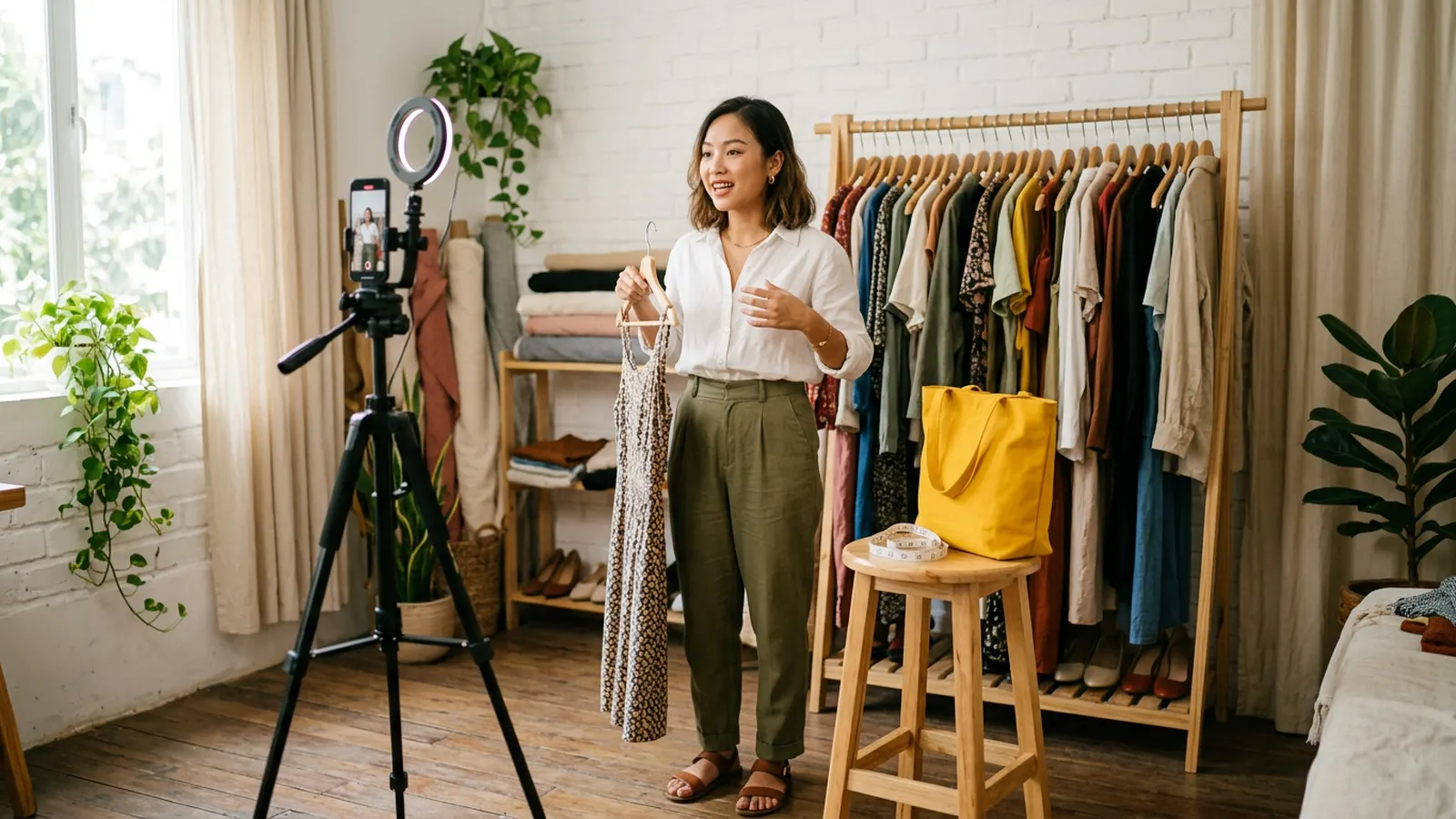
A K-fashion brief must make fit the main message. Ask the KOC to state height and size worn at the start, show the garment from the front, side and back, move in it, and mention fabric feel honestly.
Add the facts the creator needs so they do not guess: fabric composition as printed on the label, care instructions, colors, size chart and known fit notes. Agree the disclosure line and the posting window in the same brief.
6. Which TikTok content formats work for apparel?
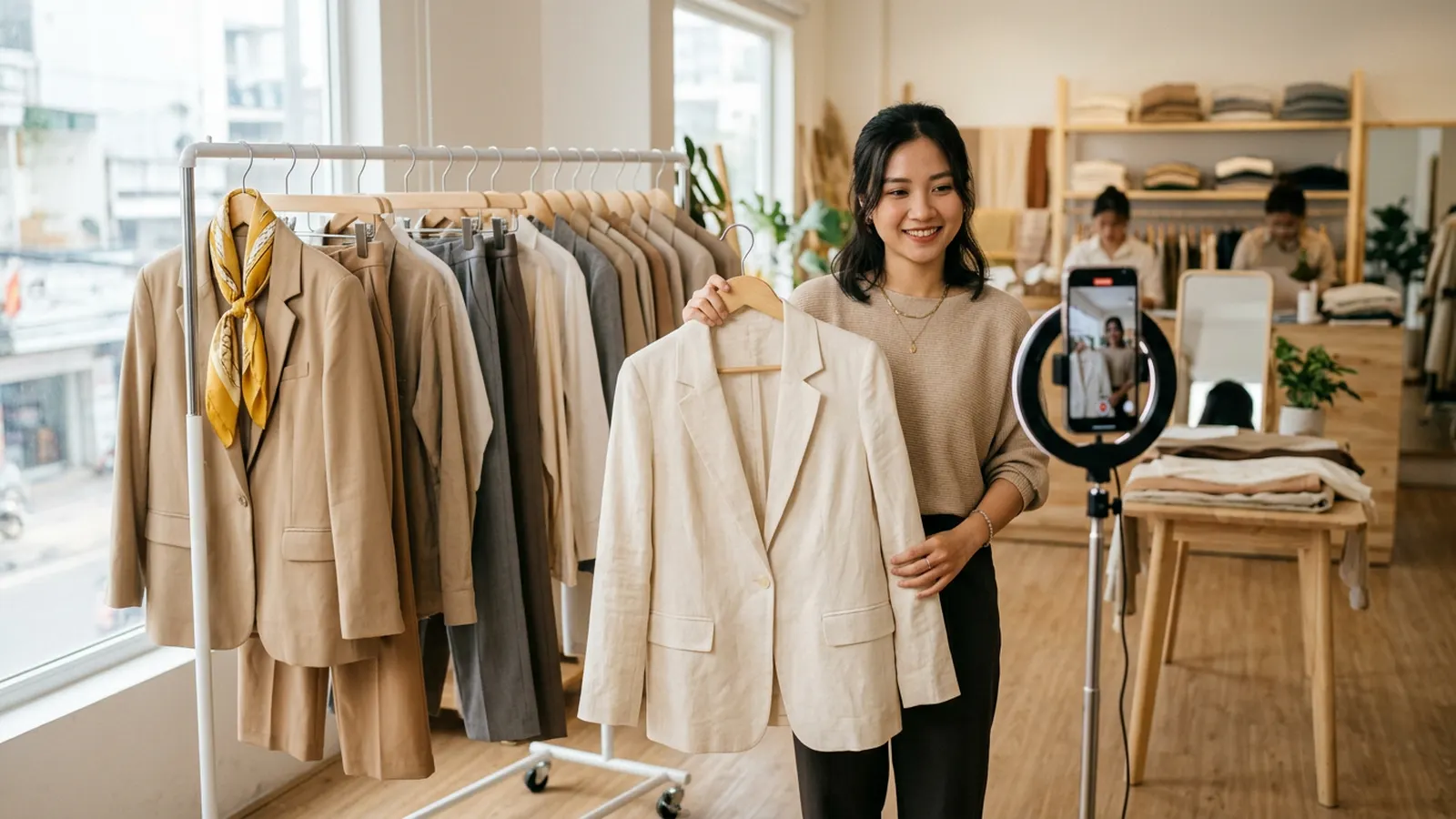
The formats that sell apparel show the product in motion and answer sizing doubts. They are easy to repeat across many small creators, which suits a KOC-led approach.
Pick two or three formats per launch and measure them against each other instead of changing everything at once.
- Single-item try-on with height and size on screen
- Three outfits from one piece, to show styling range
- Two creators of different builds in the same garment
- Fabric close-up and movement test
- Unboxing that shows packaging and first impression, with no claims about quality beyond what the creator has tested
7. Where does TikTok Shop fit in the selling route?
TikTok Shop is a strong place to convert fashion content, but it is one route among several. Decide whether you sell through your own official store, a local distributor or a retail partner before you brief creators, because the link in the video must go to the place that can fulfil orders and handle returns.
If you are still choosing a route, read the entry options first. A creator campaign that sends traffic to a store without stock, a size chart or a returns process wastes the fee you paid.
8. How do HQ and the distributor split approvals?
Split approvals by risk. The Vietnam side should own language, tone, price and local compliance, while HQ should own brand identity, logo use and anything that touches product claims or trademarks. Write this split down before the first creator is booked.
Set a turnaround target for each review so content is not stuck in a time-zone or language gap. A short checklist that both teams use, in Korean and Vietnamese, prevents most rework.
9. How do you protect margin when using KOCs?
Protect margin by calculating unit economics before the campaign, not after. Start from the selling price and subtract product cost, platform fees, shipping, the commission or fixed fee for the creator, samples you will not recover and expected returns.
If the remaining margin is thin, change the plan rather than the creator count: fewer SKUs, a bundle, a higher minimum order for free shipping, or a commission-led structure instead of a large flat fee. Use your own numbers here, because platform fees and commission terms change and should be read from the current platform pages.
10. What compliance points should a fashion brand check?
Check that creators disclose advertising and that your claims match the product. Under Article 15a of the Advertising Law, as amended by Law No. 75/2025/QH15 and in force from 1 January 2026, people who advertise through social channels must announce that the content is advertising immediately before or during it and must check the advertiser and the product documents.
For apparel this means fabric and origin statements, sustainability claims and brand-collaboration wording should be factual and documented. Do not ask a creator to say something you cannot support.
11. What does a 30-day K-fashion test look like?
A 30-day test keeps risk small while you learn. In week one, finish the size chart, listing and brief. In week two, ship samples to a small group of KOCs with different builds. In weeks three and four, post, collect questions from comments, and review net revenue, returns and the questions viewers asked most.
Use what you learn to adjust sizing notes and the assortment before you scale the number of creators.
FAQ
Frequently asked questions
Is Korean origin enough to sell fashion on TikTok in Vietnam?
Korean origin helps people notice the brand, but it does not replace fit, price and delivery. Shoppers still compare size, fabric and value, so the content must answer those questions.
How many KOCs does a small K-fashion launch need?
Start with a small group that covers different body types and styles, then scale what works. The number depends on your budget and stock, so test before committing to a large booking.
Should the Korean HQ approve every video?
Usually not. Let the Vietnam team approve tone, language and local compliance, and keep HQ approval for brand identity and claim-sensitive items. This keeps posting speed without losing control.
How do we reduce returns from creator content?
Show fit honestly, state height and size on camera, publish a localized size chart and give every creator the same fabric facts. Compare returns by creator to see which content sets the right expectation.
Do KOCs have to disclose gifted clothes?
Yes, treat gifted or paid content as advertising and ask creators to announce it clearly, in line with Article 15a of the amended Advertising Law that applies from 1 January 2026.